
Automate Your Business with AI: A Comprehensive Guide
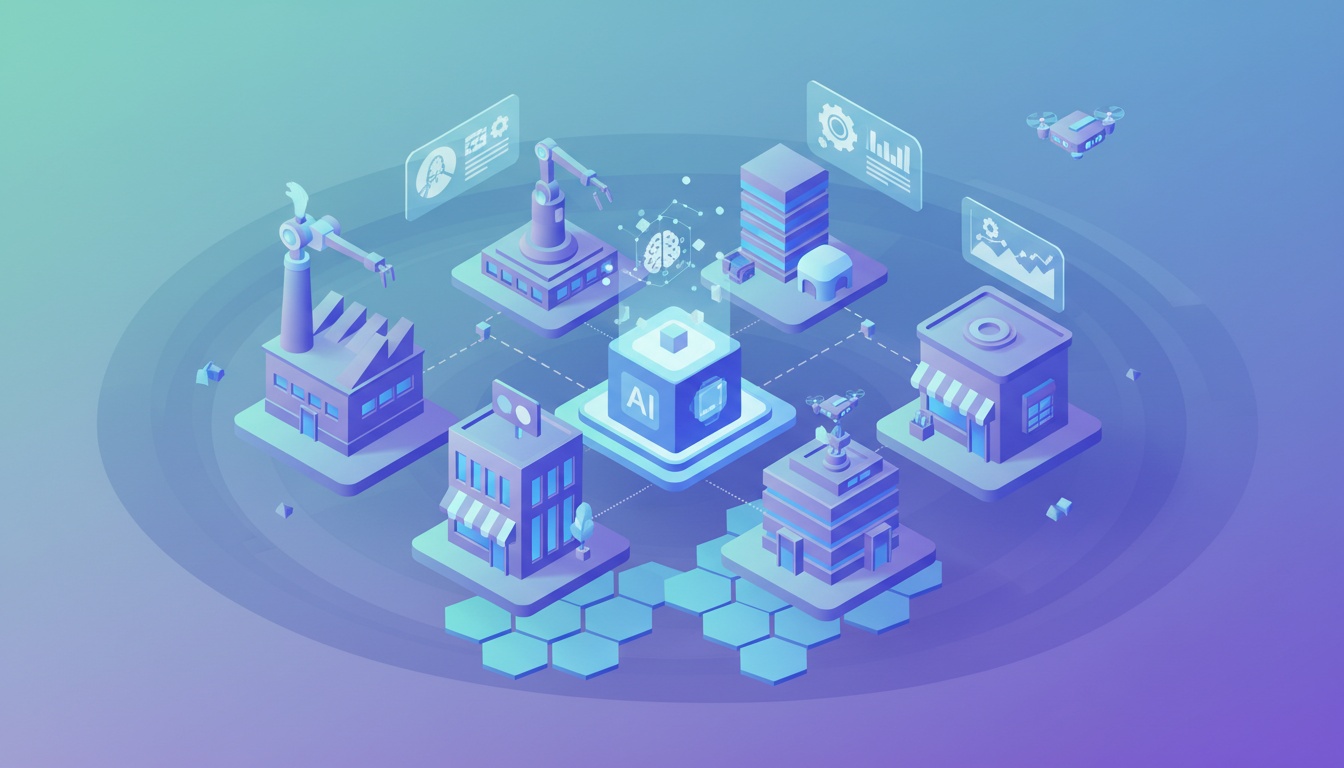
Automate Your Business with AI: A Comprehensive Guide
In today's fast-paced digital world, learning how to automate your business with AI can be a game-changer for solo founders, indie builders, freelancers, and aspiring online business owners. By leveraging AI tools and automation, you can streamline operations, save time, and focus on scaling your business effectively.
Why Automate Your Business with AI?

Automation is no longer a luxury but a necessity in the competitive business landscape. AI tools provide a range of solutions that can handle repetitive tasks, allowing you to focus on growth and innovation. Here’s why you should consider automation:
- Efficiency: Automate mundane tasks to free up your time.
- Accuracy: Reduce human errors in data processing and customer interactions.
- Scalability: Easily manage increased workload without hiring.
- Cost-effectiveness: Save money by reducing labor costs.
Choosing the Right AI Tools
Before you automate your business with AI, it's important to select the right tools that align with your needs. Here are some popular options:
1. Customer Relationship Management (CRM)
For managing customer interactions, tools like HubSpot and Salesforce offer AI-driven insights and automation features. These platforms help you automate follow-ups, segment customers, and track leads efficiently.
2. Email Marketing Automation
Tools like Mailchimp and ActiveCampaign enable you to automate email campaigns, personalize content, and analyze engagement metrics. These platforms integrate AI to optimize send times and subject lines.
3. Workflow Automation
Integrate apps and automate workflows with tools like Zapier and Integromat. These platforms allow you to connect different services and automate repetitive tasks across applications.
Implementing AI Automation

Here’s a step-by-step guide to implementing AI automation in your business:
Step 1: Identify Tasks for Automation
Start by listing tasks that are repetitive and time-consuming. Examples include data entry, customer support, and social media posting.
Step 2: Choose the Right Tools
Select AI tools that offer solutions for the identified tasks. Ensure they integrate well with your existing systems and processes.
Step 3: Set Up and Test Automation
Configure the tools and start with a small-scale test. Monitor the results and make necessary adjustments.
Step 4: Scale Automation
Once satisfied with the test results, gradually scale up the automation to cover more processes.
Measuring Success
To ensure your efforts to automate your business with AI are successful, track key performance indicators (KPIs) such as time saved, error rates reduced, and customer satisfaction levels.
Frequently Asked Questions
What is the best AI tool for small businesses?
There’s no one-size-fits-all answer, but tools like Zapier and HubSpot are versatile for various business needs.
How much does AI automation cost?
Costs vary based on the tool and usage. Many platforms offer tiered pricing, so you can start small and scale as needed.
Can AI replace human workers?
AI is designed to complement human efforts, not replace them. It handles repetitive tasks, allowing humans to focus on strategic initiatives.
How do I integrate AI tools with my existing systems?
Most AI tools offer APIs and native integrations. Use platforms like Zapier to connect different services seamlessly.
Explore more about how to make money with AI tools and automation and check out our blog for the latest tips and strategies.
Conclusion
Automating your business with AI is an effective way to enhance productivity and efficiency. By following the steps outlined in this guide, you can identify the right tools and strategies to transform your operations. Visit our homepage to learn more and get in touch to start your automation journey today.